Airport security can feel stressful, especially when you are not sure what officers are allowed to inspect. Many travelers worry about privacy, personal belongings, or being selected for additional screening. In reality, airport checks follow specific rules designed to keep flights safe while still respecting passenger rights.
Knowing what TSA agents can and cannot do makes the process much easier and usually much faster.
Why Airport Security Exists
Airport screening is meant to prevent dangerous items from entering aircraft.
The goal is safety — not punishment or suspicion.
Every passenger goes through similar procedures, whether flying once a year or every week. Being selected for extra screening does not mean you did anything wrong.
What TSA Can Check in Your Bags
TSA officers are allowed to inspect all carry-on and checked luggage.
This includes:
- Backpacks and suitcases
- Laptops and electronics
- Toiletries and liquids
- Food items
- Chargers and accessories
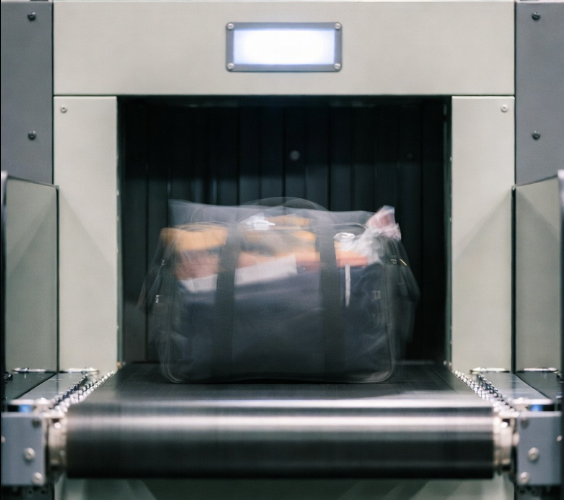
Bags go through X-ray machines first. If something unclear appears on the screen, officers may open the bag to look closer.
They are mainly searching for prohibited items like weapons, explosive materials, or unsafe objects — not personal information.
Liquids and the 3-1-1 Rule
Liquids are one of the most common causes of delays.
The rule is simple:
- Containers must be 3.4 oz (100 ml) or smaller
- All containers placed in one clear quart-size bag
- One bag per passenger
Larger liquids are usually removed unless medically necessary.
Body Scanners and Pat-Downs
Passengers pass through a scanner or metal detector.
If something triggers an alert, officers may perform a pat-down.
Important things to know:
- You can request a private screening
- You may ask for an officer of the same gender
- You can ask questions during the process
These checks are standardized procedures used worldwide.
Clothing and Personal Items
You may be asked to remove:
- Shoes
- Jackets or coats
- Belts
- Large metal jewelry
Simple clothing speeds up screening. Heavy accessories often cause extra checks.
Your Rights During Screening
Passengers still have rights while being screened.
You may:
- Ask why additional screening is required
- Request a supervisor
- Request a private inspection
- Refuse scanning (pat-down will be required instead)
Security officers cannot search your phone data or read personal messages during routine screening.
Tips to Pass Security Faster
Small preparation makes a big difference:
- Pack liquids properly
- Keep electronics easy to remove
- Wear simple clothing
- Empty pockets before screening
- Arrive early to reduce stress
Prepared travelers rarely experience problems.
Frequently Asked Questions
Can TSA open my luggage?
Yes, if the X-ray shows something unclear or restricted.
Can they take my personal items?
Only prohibited items are removed.
Do random checks mean suspicion?
No. Random selection is normal.
Can I refuse a body scanner?
Yes, but you will receive a manual pat-down instead.
Conclusion
Airport screening is designed to protect passengers, not invade privacy. Most delays happen because travelers are unfamiliar with the rules rather than because of strict enforcement.
Understanding the process helps you move through security calmly and quickly, making travel far less stressful.